WREN’s work spans the full spectrum, from ground-level data collection and circular economy initiatives to national policy development, all united by a shared commitment to improving waste management across Small Island Developing States (SIDS).
Working across the Pacific and Caribbean, we collaborate with governments, communities, and partners to build knowledge, shape policy, and support practical solutions tailored for SIDS. Browse our project categories below to learn more about the work we do.
Research & Data
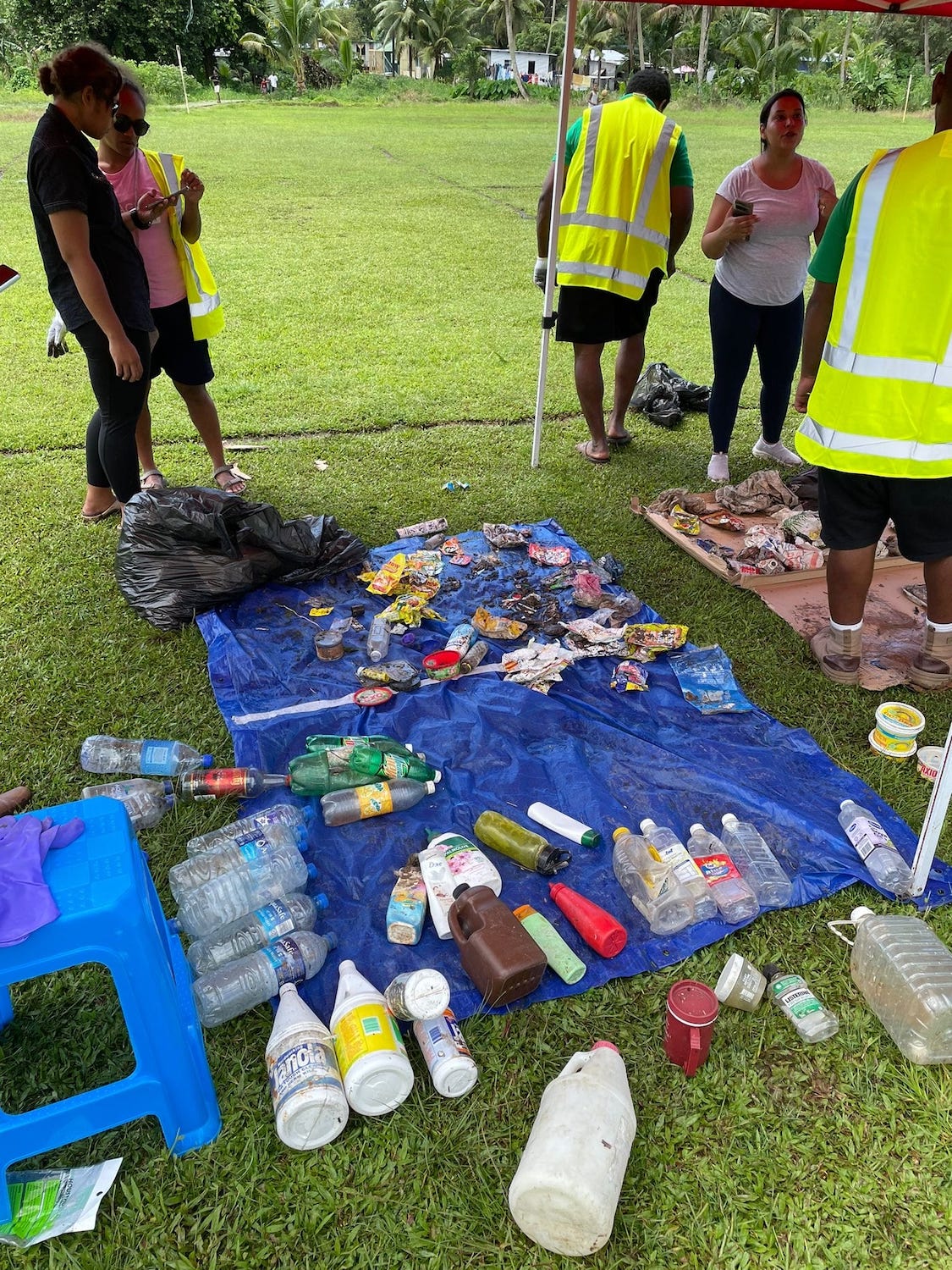
Effective waste management begins with understanding the problem. For SIDS, where geographic isolation, limited resources, and unique environmental vulnerabilities shape every challenge, reliable data is a necessity. WREN is committed to collecting, analyzing, and sharing evidence that reflects the realities of SIDS. By grounding our work in robust research, we equip decision-makers, practitioners, and communities with the insights they need to design waste management systems that are practical, targeted and built to last.
Strategy & Policy
Evidence alone does not drive change; action does. WREN bridges the gap between research and real-world impact by translating data and lived experiences into strategies, reports, and policies that shape how waste is managed across SIDS. From developing guidance documents and technical papers to informing legislation and national frameworks, our work ensures that the voices and realities of SIDS are reflected in the decisions that affect them the most.
Community & Circular Economy
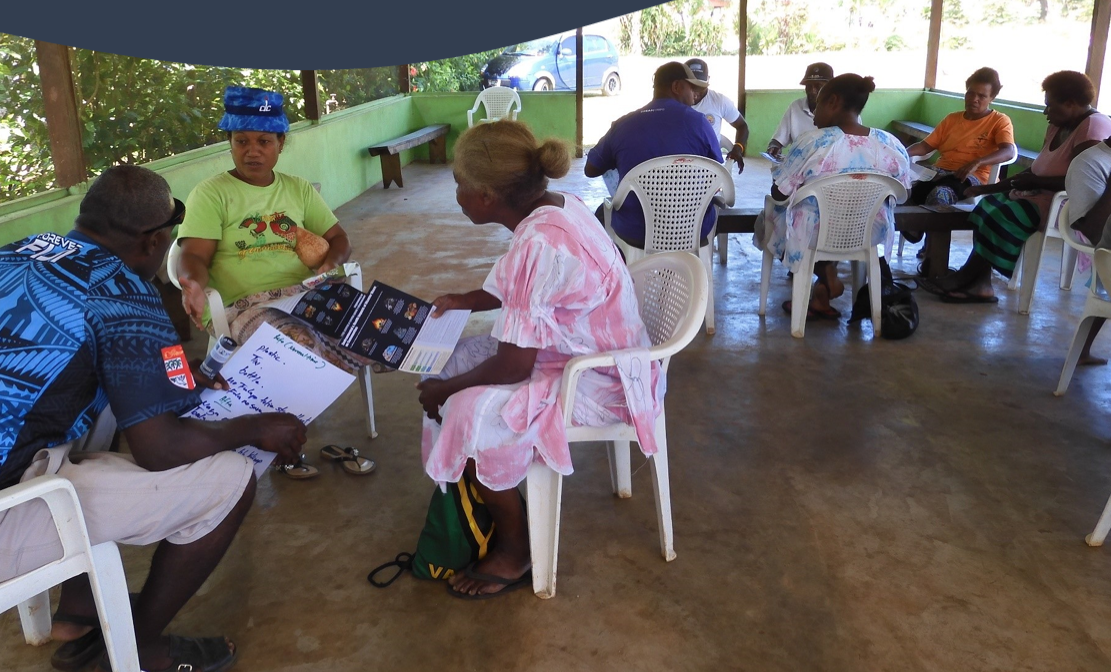
The most resilient solutions are the ones communities own. WREN designs and implements practical, circular economy initiatives that reduce waste, generate resources, and create real opportunity at the local level, with a particular focus on women-led implementation and coastal communities.
Event Coordination
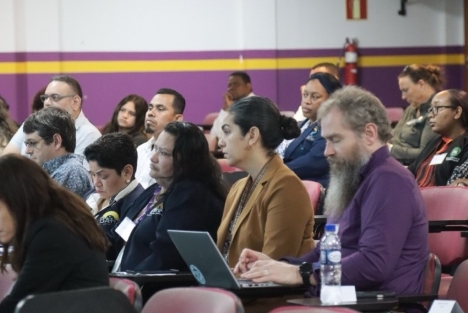
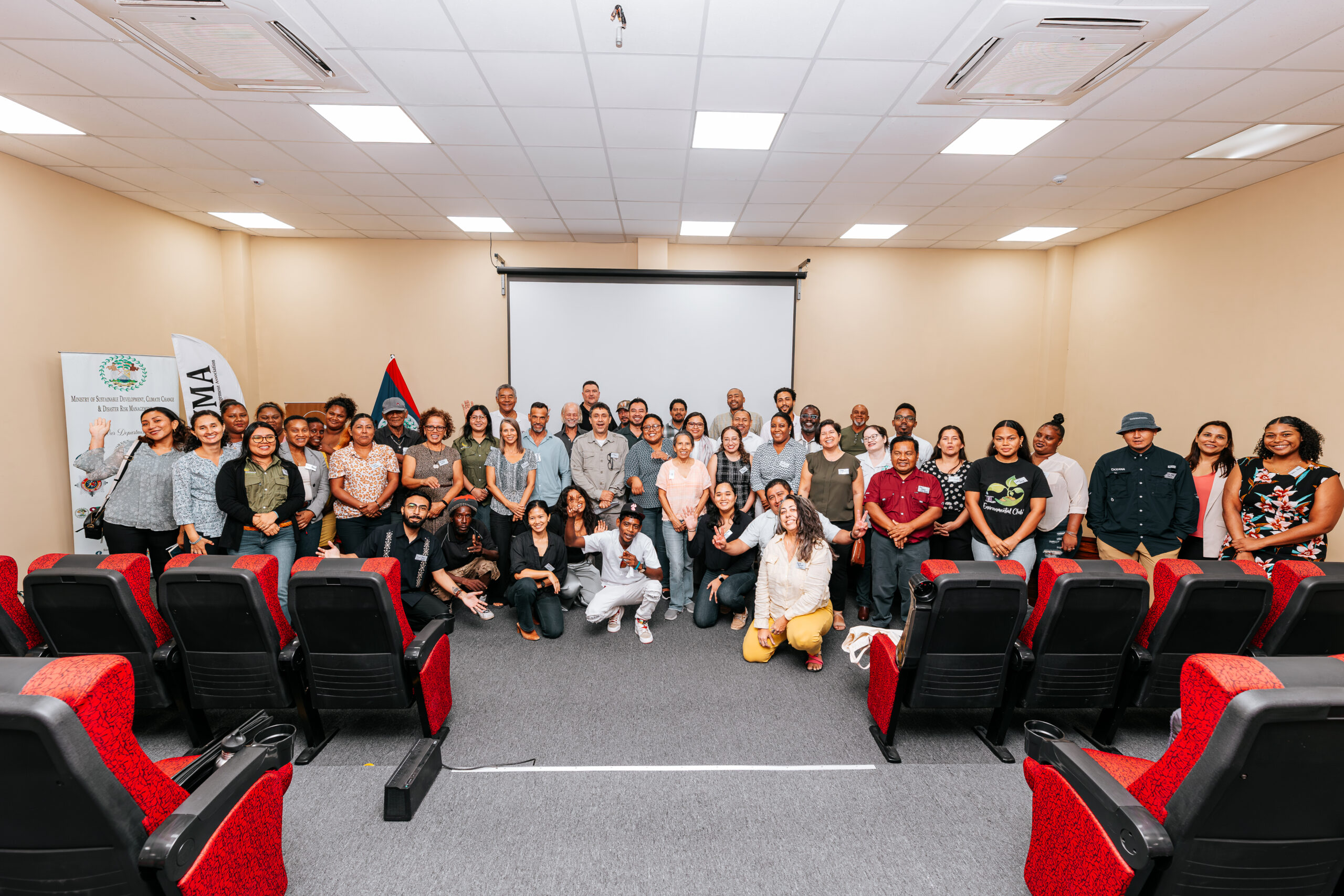
Some of the most complex challenges are best addressed when people come together. WREN facilitates meaningful dialogue and collaborative action by bringing together stakeholders from across SIDS to share knowledge, build relationships, and find common ground on waste management issues. Central to this work is our commitment to south-to-south collaboration, fostering direct exchanges between Pacific and Caribbean communities who face similar challenges and have much to learn from one another. From regional convenings to technical workshops to zero waste and waste minimization events, WREN creates spaces where connection turns into action.
WREN is engaged by Recycle Organics to establish and expand community composting solutions in selected villages across Samoa. The project
WREN led the development of a regional compendium of alternatives to single-use plastics (SUPs) as part of the Pacific Ocean
In collaboration with Eunomia, WREN delivered updated waste management and infrastructure data for 14 countries in the Pacific. Additionally, training
WREN is engaged by the Solomon Islands Government, through the Ministry of Environment, Climate Change, Disaster Management and Meteorology (MECDM),
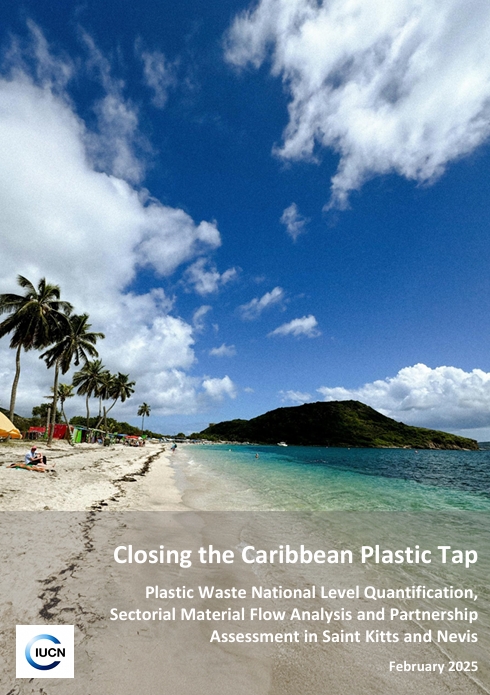
As part of IUCN’s regional “Closing the Plastics Gap” initiative, WREN led a national-level assessment of plastic waste flows and
WREN’s Director, Dr. Amardeep Wander serves as the Technical Lead for the Greater Good Diaper Project, which aims to drive
As part of ANZPAC’s efforts in implementing a customized and contextually appropriate regional extended producer responsibility (EPR) for plastic packaging
As part of an international collaborative team, WREN’s Director, Dr. Amardeep Wander, has been serving as the Solid Waste Management
In collaboration with an international team of experts, WREN’s Director, Dr. Amardeep Wander, is contributing to an assessment aimed at
WREN is undertaking research and networking to understand successful projects addressing plastic pollution in Small Island Developing States (SIDs). The
Project Fresh Start is a pilot collaborative initiative implemented under the Department of the Environment with village councils aimed at
In Samoa, the shift towards electric mobility is gaining momentum, promising a greener and more sustainable future for the local
In fulfillment of Belize’s Marine Litter Action Plan, Cefas has engaged WREN to undertake a feasibility study to determine investment
Supported by the Centre for Environment, Fisheries, and Aquaculture Science (Cefas) and funded through the UK Government’s Ocean Country Partnership
The Pacific Ocean Litter Program (POLP) is committed to reducing single-use plastic marine litter in the coastal environments of Pacific
In 2019, with support from the Norwegian Agency for Development Cooperation (Norad), IUCN launched the Plastic Waste Free Islands (PWFI)
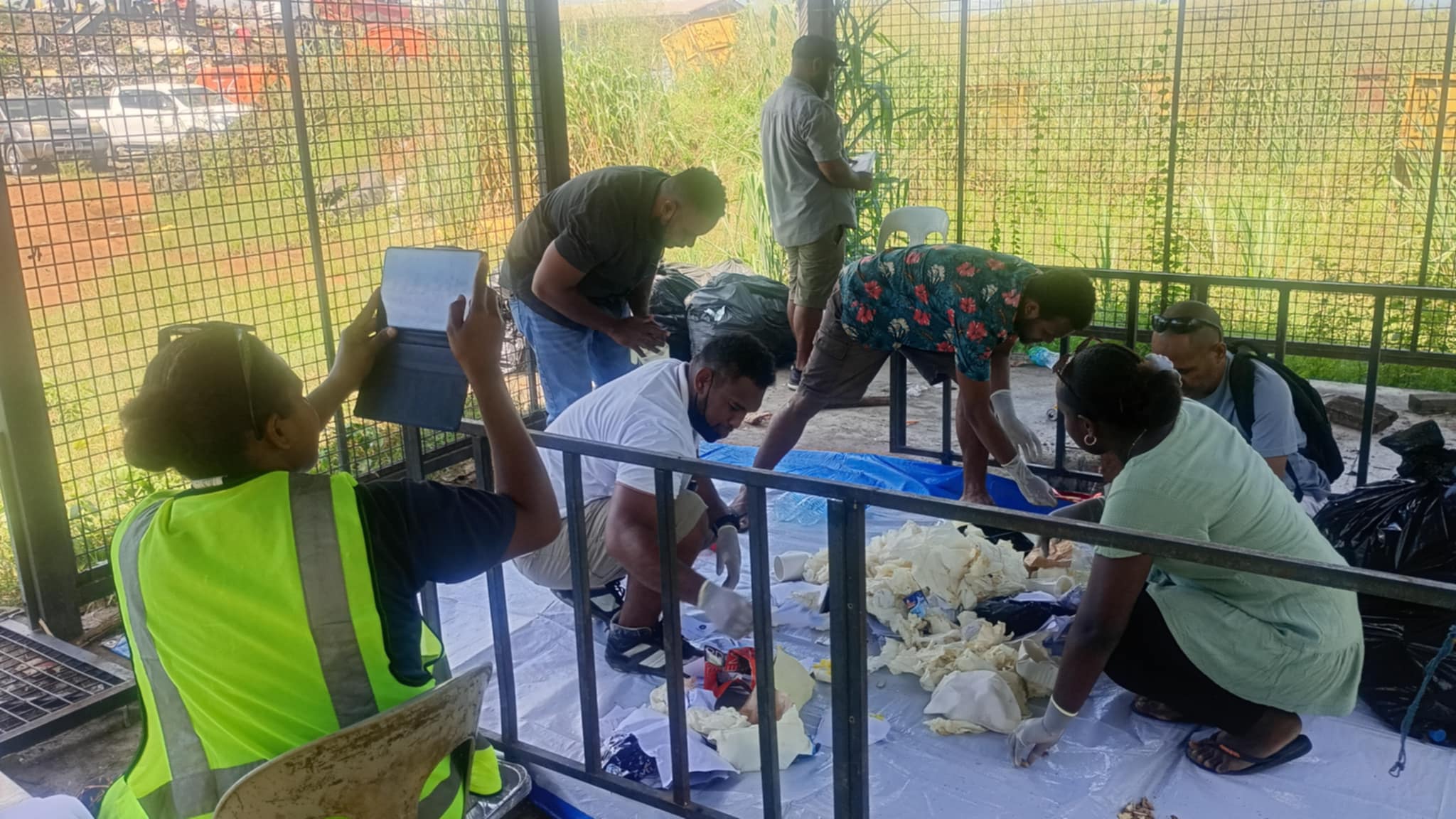
In 2017, Amardeep authored a detailed waste audit methodology that is applicable to data collection in the unique conditions of
The UTS Institute for Sustainable Futures, Asia Pacific Waste Consultants and the Centre for International Economics were engaged by the
Using the IMO specified methodology to conduct port waste reception facilities audit, combined with information on waste generated at sea
Using the methodology outlined in “Waste Audit Methodology- A Common Approach”, Amardeep, in her previous role, led teams in 9
Countries in the Pacific are increasingly viewing sustainable financing schemes as a solution for waste recovery and recycling. These schemes
The project undertook a feasibility assessment of the waste quantities, legislative framework, infrastructure and resourcing options available to the five


Australia | Belize | Samoa